UK Live Music
Live music may be a big growth area for the music sector, right? Well, yes, if you're a mega-minted arena act or the organizers of a serious music festival. But dig below the surface of the figures and you discover an increasing gulf between the grassroots and therefore the world's biggest acts. medication examines the claims that each one is well with the nation's live music scene.

The sector is booming - that's consistent with two research reports released within a previous couple of months. consistent with the International Federation of the Phonographic Industry, revenues increased by 4% worldwide, although they note that, 'the rate of growth has slowed significantly within the last three years'. within the UK PRS for Music's research revealed that this trend was continuing, with 1.45 billion spent by UK consumers on live events in 2009 compared with 1.39 billion in 2008. But what can we mean by 'live music', and is everyone a winner?
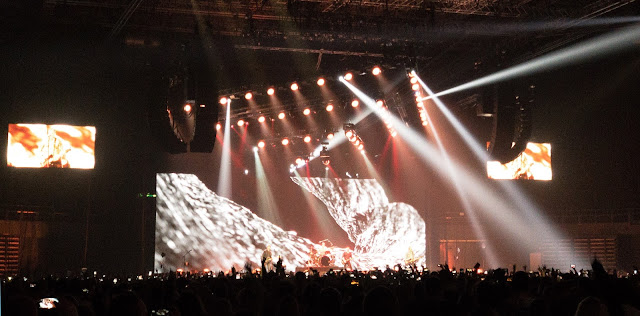
The PRS research points out that there's an ever-widening gulf between grassroots events and therefore the big arena acts. Big international star acts are needed to draw in fans to key music events and festivals. As PRS Chief Economist, Will Page points out, live events have a plus over recorded music: scarcity. this is often well borne out by the recent sale of tickets to require That's Progress Tour, which made headlines last month when major ticket websites crashed under the pressure of demand from consumers.
This is great for the large acts, with even bigger promotion behind them. the highest world tours by sales within the half of 2010 were, consistent with Pollstar: 1. AC/DC $177.5m 2. Bon Jovi $75.7m 3. Metallica $60.8m 4. James Taylor/Carole King $53.9m 5. Black Eyed Peas $48.4m 6. Lady Gaga $42.1m 7. Michael Buble $42.0m 8. Taylor Swift $40.4m 9. Walking With Dinosaurs $39.7m 10. Eric Clapton $38.7m.
It's in business. However, Pollstar's findings show a continuation of the slowing of growth revealed within the IFPI's report, particularly within the North American markets. Revenues are down $196.8 million on an equivalent time last year, and tour legs by several superstar acts are canceled for economic reasons.
Meanwhile, at the opposite end of the live music hierarchy, the closure of pubs (nearly 50 every week consistent with The Publican magazine), and changes to the Licensing Act, have meant that local, new, and upcoming acts are finding it increasingly difficult to seek out audiences. The Department for Media, Culture, and Sport (DCMS) have refuted this claim which has successively provoked intense criticism from musicians and supporters of live music within the UK.
John King, a musician, and member of the Welwyn Live Music Forum said: "The damage...caused by the Licensing Act was carefully covered up by the last Government. DCMS has admitted that there are now only 52,400 premises with live music authorization. Even this number is hopelessly optimistic because it includes schools, colleges, retirement homes, hospitals, shops, public spaces, and closed premises, and is additionally distorted by a definition of a live music event including just about anything from a pack of carol singing Brownies to a clown playing a comedy trumpet. "
In response to pressure from campaigners, it seemed the new Coalition Government was preparing to seem at the Licensing Act again so as to exempt small venues. Lord Clement-Jones' live music bill, would offer for a 200-audience gig exemption.
However, consistent with a news release on the Live Music UK Forum, darker forces could also be at work to stop the bill ever being passed. The Forum reports, "A reliable Parliamentary source claims that headquarters licensing mandarins believe that Lord Clement-Jones' bill, 'drives a teacher and horses' through the Licensing Act." A presentation is due early next year.
The sector's success story isn't as clear cut because it seems. Big globally dominant promoters like Live Nation can make huge profits. Yet nationally and locally live music is battling a triple whammy: licensing regulations, a dwindling number of venues, and hard-up punters.
While Pollstar, PRS, and therefore the IFPI report all seem to seek out that the sector's revenues are slowing, they're still growing for those involved within the big-ticket events. However, it's likely to be that profits will still be made by a comparatively small number of concert promoters. PRS' Will Page predicts increased consolidation across the world. And with The Live Music Bill still browsing the democratic mill, help for the grassroots, community-based live scene could also be too long in coming to halt its decline.
In the first of 4 interrelated articles on the history of live music within the UK, academic Simon Frith of the University of Edinburgh, articulates clearly why live music is so important for the state. He says, "...what matters is to know that local, small-scale do-it-yourself promotion remains as necessary to the live music ecology as Live Nation et al." The question remains, what is going to the live music ecology of the state appear as if during a generation if current trends continue?


Comments
Post a Comment